
Cuprins
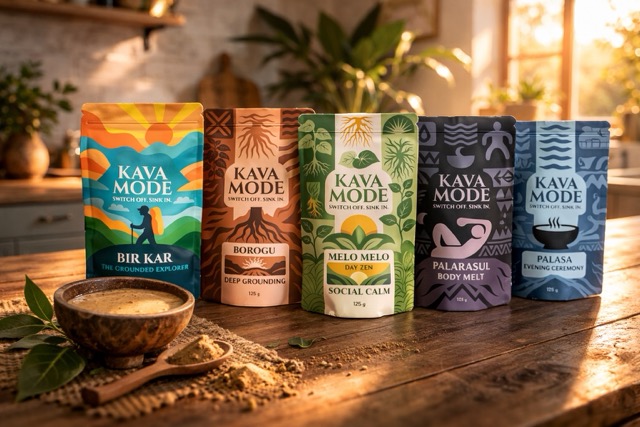
Kava Premium Noble
Descoperiți calitatea și puritatea certificate la partenerul nostru oficial.
La Kava-mode.comPe scurt
Kava can interact with medicines and other central nervous system depressants. Laboratory findings show several possible CYP inhibitions, but small human studies do not confirm one uniform pattern across all enzymes. Alcohol and sedatives in particular should not be self-combined; regular medication warrants individual review.
- ●Alcool – Additive drowsiness and impaired coordination are possible; concurrent use is not recommended
- ●Benzodiazepine – Possible additive CNS depression; combine only after professional review
- ●Antipsihotice – Sedation and pharmacokinetic interactions are possible; direct clinical data are limited
- ●Anticoagulante – Controlled interaction data are lacking; the narrow therapeutic window requires medical review
Sistemul citocrom P450
Sistemul citocrom P450 (CYP450) este o familie de enzime din ficat, responsabile pentru metabolizarea majorității medicamentelor. Când o substanță inhibă aceste enzime, alte substanțe sunt metabolizate mai lent – efectul și efectele secundare pot fi astfel amplificate.
De ce este important?
Many medicines are metabolised by CYP enzymes. An in-vitro finding does not automatically mean clinically relevant inhibition in humans. Preparation, dose, duration and the medicine's therapeutic window determine practical relevance.
Ce enzime sunt inhibate?
Mathews et al. (2002) tested kava extract and individual kavalactones in human liver microsomes and found inhibition of several CYP enzymes. These are in-vitro findings, not clinical inhibition ratings in humans:
| Enzimă | Puterea inhibării | Substrate importante (exemple) |
|---|---|---|
| CYP1A2 | In-vitro finding | Cafeină, Teofilină, Clozapină, Olanzapină |
| CYP2C9 | In-vitro finding | Warfarină, Fenitoină, AINS (Ibuprofen) |
| CYP2C19 | In-vitro finding | Omeprazol, Diazepam, Clopidogrel |
| CYP2D6 | In-vitro finding | Codeină, Tramadol, multe antidepresive |
| CYP3A4 | In-vitro finding | Benzodiazepine, Statine, multe antibiotice |
Importanța clinică
Russmann et al. (2005) reported reduced CYP1A2 activity in chronic users of traditional aqueous kava. Gurley et al. (2005; 12 healthy volunteers, 28 days, 138 mg kavalactones/day), by contrast, found reduced CYP2E1 but no significant change in CYP1A2, CYP2D6 or CYP3A4/5. The human findings are small and preparation- and consumption-dependent, so they cannot predict every medicine interaction.
Combinații cu risc ridicat
The following combinations should be avoided or medically reviewed in advance. Reasons differ: some involve additive CNS effects or case reports, while others have only mechanistic signals and no controlled combination trials.
⚠ Alcool
Risiko: AVOID
Concurrent use of kava and alcohol is not recommended:
- 1.Additive CNS effects: Drowsiness, slower reactions and impaired coordination may increase.
- 2.Liver risk not quantified: A combined liver risk has not been quantified reliably; the combination is avoided because of this uncertainty.
- 3.Unpredictable intensity: Product, amount, drinking pattern and individual sensitivity make effects difficult to predict.
Do not use kava and alcohol together. The main practical reason is possible additive impairment of attention, reaction and coordination; the size of any additional liver risk is not reliably established.
⚠ Benzodiazepine & somnifere
Risiko: PROFESSIONAL REVIEW
Do not combine benzodiazepines or Z-drugs with kava without medical review:
- •Additive sedation: Drowsiness and psychomotor impairment may increase.
- •CNS depression: Clinically relevant potentiation is possible; controlled combination trials are lacking.
- •Interpret CYP findings: CYP3A4 inhibition was observed in vitro but not consistently confirmed in small human studies.
Raport de caz: Almeida & Grimsley (1996) described a semicomatose state in a 54-year-old man after reported kava and alprazolam use. A single case report is a warning signal but does not establish mechanism or frequency.
⚠ Antipsihotice
Risiko: PROFESSIONAL REVIEW
Individual medical review is appropriate before kava use with antipsychotics:
- •Sedation: Additive drowsiness or psychomotor impairment is possible.
- •Case reports: Individual reports describe movement disorders; frequency and causality are unclear.
- •CYP findings: Laboratory inhibition does not reliably predict the level of a specific medicine.
⚠ Anticoagulante (substanțe care subțiază sângele)
Risiko: PROFESSIONAL REVIEW
Warfarin, phenprocoumon and other anticoagulants require professional review because of their narrow therapeutic window:
- •Mechanistic signal: CYP2C9 inhibition was observed in vitro; a clinical kava-warfarin interaction has not been established in controlled studies.
- •Monitor INR: Changes in co-used products should be coordinated with the treating clinician.
- •Bleeding risk: The baseline risk of anticoagulation makes self-testing inappropriate.
Use kava with anticoagulation only after individual medical review.
Combinații cu risc moderat
Următoarele combinații necesită precauție și ar trebui efectuate doar după consultarea unui medic. O ajustare a dozei poate fi necesară.
Antidepresive
Risiko: PROFESSIONAL REVIEW
- • Pharmacokinetic interactions may occur depending on the product but are not clinically established as a class
- • Serotonin syndrome from kava is not established as a typical clinical effect
- • Additive drowsiness or dizziness are possible
- • Direct clinical combination data are limited
- • Review co-medication individually rather than inferring from in-vitro CYP data
- • MAO-B effects of individual kavalactones have been studied preclinically
- • Pawa et al. (2026) found MAO-A inhibition by flavokawain A in an in-vitro enzyme assay; humans and combination with MAO inhibitors were not studied
- • Do not self-combine with MAO inhibitors because medicine interactions can be serious
- • Obtain medical review before use
Anticonvulsivante (antiepileptice)
Risiko: PROFESSIONAL REVIEW
Fenitoină, Carbamazepină, Valproat și alte anticonvulsivante:
- •Pharmacokinetics: Altered levels are possible but cannot be predicted reliably for individual combinations.
- •CNS effects: Additive drowsiness or coordination problems are possible.
- •Seizure control: Changes in co-used products belong under professional supervision.
În cazul epilepsiei, Kava ar trebui utilizată doar sub supravegherea unui medic.
Medicamente pentru Parkinson
Risiko: PROFESSIONAL REVIEW
Levodopa și agonisti ai dopaminei:
- •Mechanism unclear: Blanket clinical dopamine antagonism by kava has not been established.
- •Case reports: Individual reports describe worsening Parkinson symptoms; medical review is therefore needed.
With Parkinson's disease or related medication, use kava only after medical review.
Medicamente hepatotoxice
Risiko: MODERAT
Medicamente cu potențial hepatotoxic cunoscut:
- •Paracetamol/Acetaminofen: Probleme în special la doze mai mari
- •Statine: Atorvastatin, Simvastatin etc. (substrate CYP3A4)
- •Metotrexat: Imunosupresor cu hepatotoxicitate
- •Isoniazid: Medicament pentru tuberculoză
Additional liver risk is plausible but not quantified for every combination. Potentially hepatotoxic medication requires individual medical review.
Tabel de sinteză al interacțiunilor
| Clasa substanței | Exemple | Risc | Mecanism |
|---|---|---|---|
| Alcool | Etanol | AVOID | Possible additive sedation and impaired coordination; liver risk not quantified |
| Benzodiazepine | Diazepam, Lorazepam, Alprazolam | PROFESSIONAL REVIEW | Possible additive CNS depression; one case report, no controlled combination trials |
| Antipsihotice | Haloperidol, Olanzapină, Clozapină | PROFESSIONAL REVIEW | Sedation or interactions possible; direct clinical data limited |
| Anticoagulante | Warfarină, Fenprocoumon | PROFESSIONAL REVIEW | No controlled kava interaction established; narrow therapeutic window |
| ISRS | Fluoxetin, Sertralin, Paroxetin | PROFESSIONAL REVIEW | Possible sedation or pharmacokinetics; no established kava serotonin syndrome |
| Anticonvulsivante | Fenitoină, Carbamazepină | PROFESSIONAL REVIEW | Possible additive CNS effects and unpredictable pharmacokinetics |
| Medicamente pentru Parkinson | Levodopa, agonisti ai dopaminei | PROFESSIONAL REVIEW | Case reports of symptom worsening; no blanket dopamine antagonism established |
| Statine | Atorvastatin, Simvastatin | PROFESSIONAL REVIEW | Direct clinical interaction data are lacking; review liver and medication context |
| Opioide | Codeină, Tramadol, Morfină | AVOID / REVIEW | Possible additive CNS depression |
| Cafeină | Cafea, băuturi energizante | CAUTION | Human CYP1A2 findings are small and inconsistent |
Recomandări practice
Listă de verificare înainte de consumul de Kava
- 1.Verificați lista medicamentelor
Verificați toate medicamentele actuale pentru interacțiuni
- 2.Consultați medicul
Obțineți sfatul medicului înainte de consumul de Kava în cazul administrării regulate de medicamente
- 3.Evitați alcoolul
Do not use kava and alcohol together. The main practical reason is possible additive impairment of attention, reaction and coordination; the size of any additional liver risk is not reliably established.
- 4.Dozare redusă
Do not experiment with a self-selected lower kava dose while taking medicines; obtain professional review of the combination.
- 5.Observați simptomele
Fiți atenți la oboseală neobișnuită, amețeli sau alte simptome
Continuare în capitolul Siguranță
Pe baza studiilor

Cu contribuții de la
Acest wiki este o resursă curată care sintetizează cercetări din studii evaluate de colegi și cercetători experți. Nu a fost scris de cercetătorii enumerați mai sus, ci mai degrabă pe baza lucrării lor publicate.
Surse științifice
Informațiile de pe această pagină se bazează pe următoarele studii și publicații științifice:
Cytochrome P450 2E1 (CYP2E1) Is the Principal Enzyme Responsible for Urethane Metabolism
Hoffler U., El-Masri H.A., Ghanayem B.I. (2003) – Journal of Pharmacology and Experimental Therapeutics
Vizualizați studiulCuprins
Kava Premium Noble
Descoperiți calitatea și puritatea certificate la partenerul nostru oficial.
La Kava-mode.com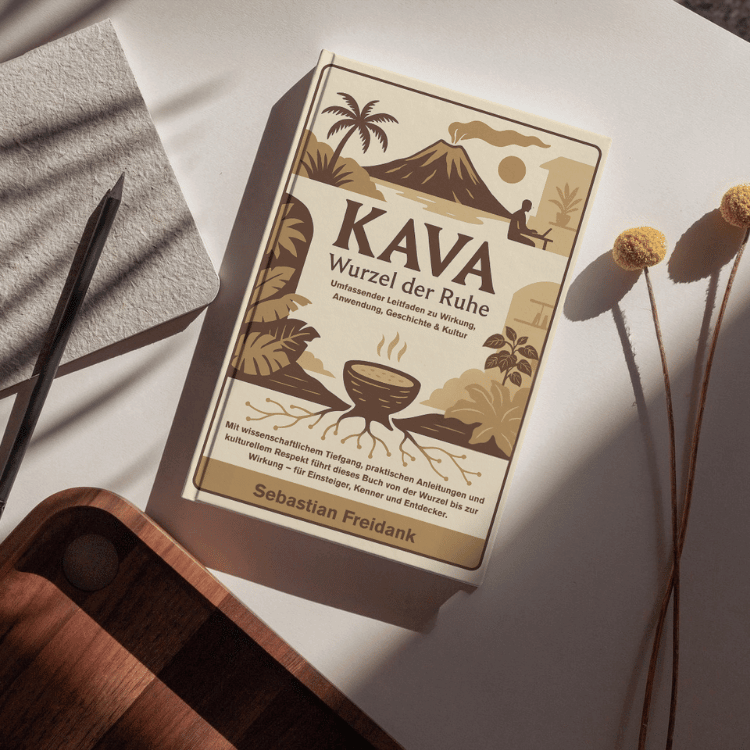
Kava – Rădăcina liniștii
Ghidul cuprinzător despre efecte, istorie și cultură.