Content
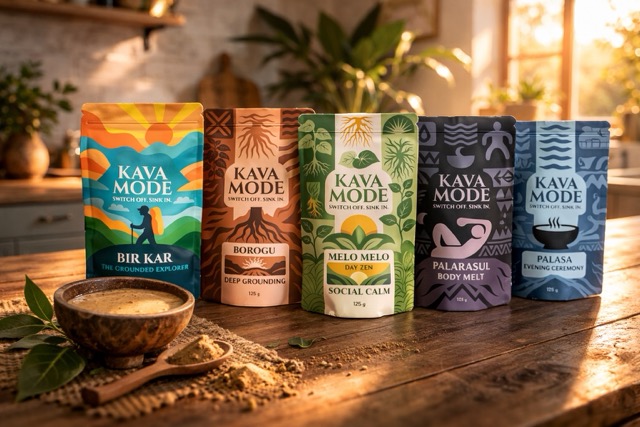
Premium Noble Kava
Discover certified quality and purity with our official partner.
Visit Kava-mode.comBrief & Concise
Fiji – Yaqona
In Fiji, Kava is known as Yaqona (pronounced "Yang-gona") and is considered the official national drink. The name means "bitter" and refers to the characteristic taste. A second name, Malogu, means "to calm" and describes the effect.
Fiji has 13 documented Kava varieties and is known for its high-quality processing. Particularly valued is Waka – Kava made exclusively from the lateral roots (not the rootstock) and considered more potent.
| Variety | Type | Specialty |
|---|---|---|
| Loa Waka | Heavy | Very potent, strongly sedating |
| Vula Waka | Balanced | Balanced, versatile |
| Qila Balavu | Heavy | Long-lasting |
| Matakaro Balavu | Balanced | Traditional |
| Dokobana Loa | Heavy | Rare, highly valued |
| Yalu | Balanced | Mild, pleasant |
Loa Waka
HeavyVery PotentFiji (various islands)
Waka (lateral roots)
5-8 hours
- ✓ Extremely sedating: One of the strongest "Heavy" Kavas
- ✓ Deep muscle relaxation: Ideal for tension
- ✓ Sleep-promoting: Perfect for sleep issues
- ✓ Long-lasting: Effects can last 5-8 hours
Recommended for: Experienced users, evening consumption, severe sleep problems
Warning: Loa Waka is very potent. Beginners should start with a lower dose and wait for the effects before taking more.
Tonga – All Noble
Tonga is unique in the Kava world: All varieties cultivated there are Noble. There are no Tudei varieties in Tonga. This makes Tongan Kava particularly safe and predictable.
Tongan Kava is known for its rather "heady" effects. The varieties tend to be less sedating than Fiji or Vanuatu Kava and are well-suited for daytime use and social occasions.
| Variety | Type | Specialty |
|---|---|---|
| Pouni Ono | Heady | Most popular variety, social |
| Leka Hina | Heady/Balanced | Mild, pleasant |
| Kava Kula | Balanced | Traditional |
| Kava Fulufulu (Fu'u) | Balanced | Gentle, good for beginners |
| Lekakula | Heady | Euphoric |
Pouni Ono
HeadyBeginner-friendlyTonga
Blend (Leka Hina, Kava Kula, Fu'u)
3-4 hours
- ✓ Euphoric: Mood-enhancing and social
- ✓ Invigorating: Little sedating, ideal for daytime
- ✓ Mild taste: More pleasant than many other varieties
- ✓ Short duration: Well controllable
Recommended for: Beginners, daytime use, social occasions, work
Tip: Pouni Ono is one of the best varieties for Kava beginners. The mild taste and pleasant, non-overwhelming effects make it easy to start.
Hawaii – 'Awa
In Hawaii, Kava is called 'Awa. Hawaii has 13 traditional varieties, all of which are considered Noble and suitable for consumption. Hawaiian 'Awa is known for its high potency and unique character.
'Awa has a special cultural significance in Hawaii. Historically, certain 'Awa was reserved for the nobility (Ali'i). Today, Hawaiian Kava is often prepared fresh and is more expensive than Kava from other regions due to high production costs.
| Variety | Type | Specialty |
|---|---|---|
| Moi | Heady | Royal Kava, very cerebral |
| Hiwa | Heavy | Ceremonial, strongly sedating |
| Mahakea | Balanced | Balanced, versatile |
| Papa Kea | Heady | Mild, pleasant |
| Nene | Balanced | Traditional |
| Hanakapi'ai | Heavy | Rare, highly valued |
Attention: In Hawaii, two imported Tudei varieties are also grown: Isa and Iwi. These are not native and should be avoided.
Moi
HeadyRoyalHawaii
Heady / Cerebral
2-4 hours
- ✓ Extremely cerebral: Promotes mental clarity and focus
- ✓ Creativity-enhancing: Ideal for creative work
- ✓ Little sedating: Does not make you tired
- ✓ Spiritual: Traditionally used for meditation and ceremonies
Recommended for: Creative work, meditation, cognitive tasks
Samoa – 'Ava
In Samoa, Kava is called 'Ava. Samoa has only 4 documented varieties, but a rich ceremonial tradition. The 'Ava ceremony is an important part of Samoan culture and is conducted at official occasions.
| Variety | Type | Specialty |
|---|---|---|
| Ava La'au | Balanced | Traditional, ceremonial |
| Ava Lea | Heady | Mild, pleasant |
| Ava Loa | Heavy | Stronger, sedating |
| Ava Tonga | Balanced | Imported from Tonga |
Other Regions
In addition to the main growing areas, Kava is also found in some other Pacific regions:
PNG has only one Noble variety: Kau kupwe, which is grown on Baluan Island. Most other PNG varieties are Tudei and should be avoided.
The Solomon Islands also have only one Noble variety: Melomelo (not to be confused with Vanuatu's Melo Melo, although they may be related).
In the Federated States of Micronesia (Pohnpei), there is the variety Rahmwahnger. Kava has significant ceremonial importance there.
These French territories have their own Kava traditions but few documented unique varieties.
Continue in the chapter Varieties:
Variety profiles in detail
Detailed profiles of all important varieties with chemotypes, effects, and recommendations
Based on studies by

CIRAD, French Agricultural Research Centre for International Development
View profile →With contributions from
This wiki is a curated resource that synthesizes research from peer-reviewed studies and expert researchers. It is not written by the researchers listed above, but rather based on their published work.
Scientific Sources
The information on this page is based on the following scientific studies and publications:
Kava: The Pacific Elixir - The Definitive Guide to Its Ethnobotany, History, and Chemistry
Vincent Lebot, Mark Merlin, Lamont Lindstrom (1997) – Yale University Press
View studyContent
Premium Noble Kava
Discover certified quality and purity with our official partner.
Visit Kava-mode.com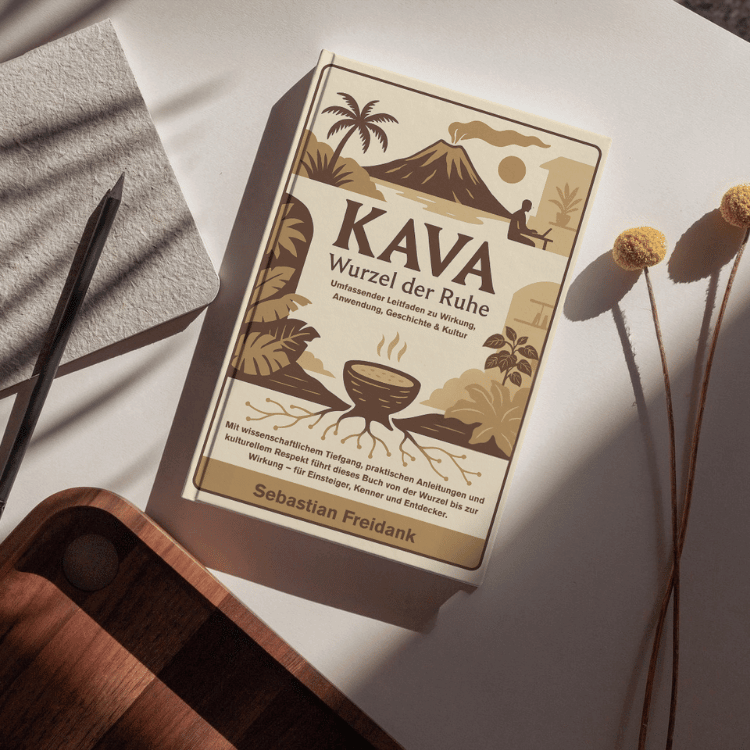
Kava – Root of Calm
The comprehensive guide to effects, history & culture.