
Safety & Health
Facts instead of Myths: A scientific look at hepatotoxicity, side effects, and safe consumption.
Contents
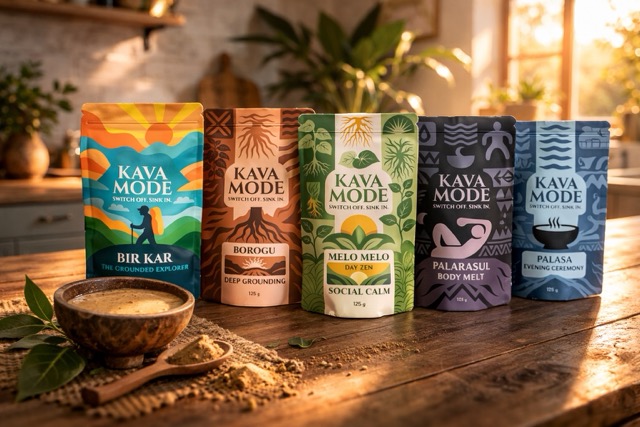
Premium Noble Kava
Discover certified quality and purity with our official partner.
Visit Kava-mode.comBrief & Concise
According to comprehensive analyses by WHO, EMA, and independent researchers:
- ●Traditionally prepared Noble kava beverage is considered low risk, but not risk-free, with moderate consumption
- ●Rare severe liver injuries are documented; the case reports do not permit a reliable incidence estimate
- ●The EU ban of 2002 was deemed disproportionate by German courts
- ●Risk may relate to product quality, plant parts, dose, comorbidity and co-medication
Chapter Overview: Safety in Detail
This chapter provides a comprehensive, scientifically grounded analysis of all safety-related aspects of Kava. Click on the subpages for detailed information:
Liver Safety & Hepatotoxicity
The scientific truth about the ban of 2002, WHO and EMA assessments, risk factors, and practical recommendations.
Interactions with Medications
Laboratory and limited human findings on CYP450 plus known and possible interactions. Clinical relevance depends on the preparation, dose and medicine.
Contraindications
When Kava should not be used: Absolute and relative contraindications for safe handling.
Dosage Recommendations
The appropriate amount depends on individual sensitivity, the Kava cultivar and the preparation method. Start with a small amount and adjust carefully.
Guideline values for extract and root powder
Medical extract (anxiety)
60–240 mg
Kavalactones per day
Traditional water preparation
10–25 g
Kava root powder per preparation
The amount of root powder in grams cannot be reliably converted into milligrams of kavalactones actually consumed because the raw material, kavalactone content, grind size, preparation method and filtration all affect extraction.
Preparation with Root Powder (Medium Grind)
| Experience Level | Amount | Water |
|---|---|---|
| Beginner | 10–15 g | 300–400 ml |
| Experienced users | 15–25 g | 400–600 ml |
Possible Side Effects
The study used non-probability sampling through a marketing company (n=2,000; half reported kava use). Effect and unwanted-effect percentages are respondents’ self-reports, not population-wide incidence rates. Among kava users, 88.1% rated it effective for relaxation and stress relief; the most frequently reported experiences were feeling happy, relaxed and friendly. The most common unwanted effects were drowsiness (15.4%) and sweating (15.0%).
Common (dose-dependent)
- ●Fatigue: Especially with "Heavy" varieties
- ●Nausea: With high doses on an empty stomach
- ●Dry mouth or thirst: reported by some consumers; a clinically relevant diuretic effect has not been established
With Chronic Consumption
- ●Kava Dermopathy: Dry, scaly skin (reversible)
- ●GGT Increase: Liver enzyme slightly elevated (reversible)
- ●Weight Loss: With very high consumption
Kava Kava Side Effects: Reaction or Warning Signal?
When searching for "kava kava side effects" or "kava side effects", it is usually about distinguishing between normal, dose-dependent reactions and genuine warning signals. Quantity, product quality, mixed consumption, and contraindications are crucial.
Short-term effects are often dose-dependent
Mouth numbness, fatigue, nausea, or coordination problems occur mainly during strong sessions, unsuitable raw materials, or inappropriate dosing. They do not indicate that every Kava application is fundamentally problematic.
Long-term issues are usually related to excess
Very high, chronic consumption can promote dry skin, weight loss, or altered lab values. These effects are not equivalent to moderate, clean use.
The greatest risks often lie outside the plant itself
Problems mainly arise from low-quality raw materials, incorrect plant parts, alcohol, sedative medications, and existing contraindications. Quality and context often matter more than the mere existence of Kava.
Warning signals require a different response
Mild fatigue is assessed differently than a significant deterioration in general condition or problematic combinations with medications. Good safety information clearly distinguishes between dose reactions and red flags.
Important Safety Pages
Understanding Interactions
Many real risks do not arise from Kava alone, but from problematic combinations with alcohol or sedative medications.
Read about InteractionsAssessing Liver Safety Separately
Those searching for side effects often quickly encounter liver issues. This subpage categorizes what is confirmed and what precautions remain practically sensible.
Categorize Liver SafetyKnowing Contraindications
Certain pre-existing conditions and situations require more caution than a regular Kava session. This page consolidates the most important exclusion reasons.
Check ContraindicationsDosage as a Safety Factor
Many side effects can be avoided through realistic starting amounts and appropriate product choices. The calculator helps precisely with this point.
Calculate DosageFrequently Asked Questions about Side Effects
Safety Checklist
For Safe Kava Consumption
- Use only Noble Kava from trusted sources
- Regional Codex standard CXS 336R-2020 permits roots, peeled rhizomes and peeled basal stems up to the first node for Noble Kava. Upper stems, leaves, peelings/bark and extraction residues are excluded.
- Prefer traditional aqueous preparation
- No, Kava should not be combined with alcohol. Both substances act on the GABA system and can enhance each other, leading to excessive sedation. Additionally, both are metabolized by the liver, increasing the burden. In traditional Pacific culture, Kava is consumed as an alternative to alcohol, not together with it.
- Medication Check – Check for interactions
- Note Contraindications – View checklist
Detailed Information
Based on studies by

With contributions from
This wiki is a curated resource that synthesizes research from peer-reviewed studies and expert researchers. It is not written by the researchers listed above, but rather based on their published work.
Scientific Sources
The information on this page is based on the following scientific studies and publications:
In Vitro Toxicity of Kava Alkaloid, Pipermethystine, in HepG2 Cells Compared to Kavalactones
Nerurkar P.V., Dragull K., Tang C.S. (2004) – Toxicological Sciences
View studyNekrotisierende Hepatitis nach Einnahme pflanzlicher Heilmittel
Strahl S., Ehret V., Dahm H.H., Maier K.P. (2008) – Deutsche Medizinische Wochenschrift
View studyFatal fulminant hepatic failure induced by a natural therapy containing kava
Gow P.J., Connelly N.J., Crowley P., Angus P.W., Hill R.L. (2003) – Medical Journal of Australia
View studyContents
Premium Noble Kava
Discover certified quality and purity with our official partner.
Visit Kava-mode.com
Kava – Root of Calm
The comprehensive guide to effects, history & culture.