
Sleep & Relaxation
Patients with stress-related sleep disorders showed significant improvements in sleep quality after 4 weeks of Kava intake. Study on patients with anxiety and sleep disorders. Kava improved both anxiety symptoms and subjective sleep quality. A small human EEG study in healthy participants reported more sleep-spindle activity and deep-sleep phases; REM sleep was unchanged. These are small, older or preparation-specific studies; larger modern replications are lacking.
Contents
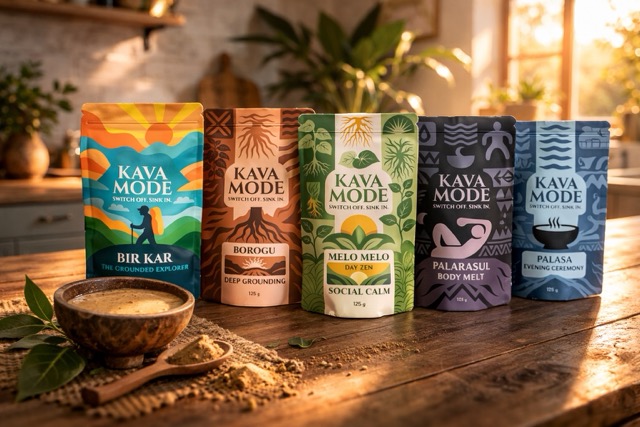
Premium Noble Kava
Discover certified quality and purity with our official partner.
Visit Kava-mode.comBrief & Concise
Patients with stress-related sleep disorders showed significant improvements in sleep quality after 4 weeks of Kava intake. Study on patients with anxiety and sleep disorders. Kava improved both anxiety symptoms and subjective sleep quality. A small human EEG study in healthy participants reported more sleep-spindle activity and deep-sleep phases; REM sleep was unchanged. These are small, older or preparation-specific studies; larger modern replications are lacking.
These are small, older or preparation-specific studies; larger modern replications are lacking.
Effect on Sleep Architecture
Patients with stress-related sleep disorders showed significant improvements in sleep quality after 4 weeks of Kava intake. Study on patients with anxiety and sleep disorders. Kava improved both anxiety symptoms and subjective sleep quality. A small human EEG study in healthy participants reported more sleep-spindle activity and deep-sleep phases; REM sleep was unchanged. These are small, older or preparation-specific studies; larger modern replications are lacking.
Deep Sleep (Slow-Wave Sleep)
A small human EEG study in healthy participants reported more sleep-spindle activity and deep-sleep phases; REM sleep was unchanged. These are small, older or preparation-specific studies; larger modern replications are lacking.
REM Sleep
A small human EEG study in healthy participants reported more sleep-spindle activity and deep-sleep phases; REM sleep was unchanged. These are small, older or preparation-specific studies; larger modern replications are lacking.
Kava vs. Alcohol in Sleep
Patients with stress-related sleep disorders showed significant improvements in sleep quality after 4 weeks of Kava intake. Study on patients with anxiety and sleep disorders. Kava improved both anxiety symptoms and subjective sleep quality. A small human EEG study in healthy participants reported more sleep-spindle activity and deep-sleep phases; REM sleep was unchanged. These are small, older or preparation-specific studies; larger modern replications are lacking.
Sleep-Promoting Mechanisms
The sleep-promoting effect of Kava is based on several synergistic mechanisms:
GABA Enhancement
GABA is the main inhibitory neurotransmitter in the central nervous system. Experimental studies show that individual kavalactones, especially kavain, can modulate GABA-A receptors. This helps explain calming effects, but does not prove a guaranteed absence of drowsiness, cognitive impairment, tolerance or dependence.
Muscle Relaxation
Many consumers describe physical and muscular relaxation. Preclinical work on sodium and calcium channels provides plausible mechanisms. Strength varies with product, dose and person, and larger amounts can cause drowsiness or impaired coordination.
Anxiety Reduction
Clinical trials and systematic reviews report anxiety-reducing effects for certain standardized kava extracts, with results varying by study and preparation. GABA-A modulation and other mechanisms are being investigated. This does not prove absolute equivalence to benzodiazepines or guarantee freedom from drowsiness, cognitive effects or dependence.
No Suppression of Natural Sleep Cycles
A small human EEG study in healthy participants reported more sleep-spindle activity and deep-sleep phases; REM sleep was unchanged. These are small, older or preparation-specific studies; larger modern replications are lacking.
Scientific Studies
Patients with stress-related sleep disorders showed significant improvements in sleep quality after 4 weeks of Kava intake. Study on patients with anxiety and sleep disorders. Kava improved both anxiety symptoms and subjective sleep quality. A small human EEG study in healthy participants reported more sleep-spindle activity and deep-sleep phases; REM sleep was unchanged. These are small, older or preparation-specific studies; larger modern replications are lacking.
Important Study Results
- Lehrl (2004, n=61, WS1490): Patients with stress-related sleep disorders showed significant improvements in sleep quality after 4 weeks of Kava intake.
- Wheatley (2001, n=24): Study on patients with anxiety and sleep disorders. Kava improved both anxiety symptoms and subjective sleep quality.
- Emser & Bartylla (1991): A small human EEG study in healthy participants reported more sleep-spindle activity and deep-sleep phases; REM sleep was unchanged. These are small, older or preparation-specific studies; larger modern replications are lacking.
"Patients with stress-related sleep disorders showed significant improvements in sleep quality after 4 weeks of Kava intake. Study on patients with anxiety and sleep disorders. Kava improved both anxiety symptoms and subjective sleep quality. A small human EEG study in healthy participants reported more sleep-spindle activity and deep-sleep phases; REM sleep was unchanged. These are small, older or preparation-specific studies; larger modern replications are lacking."
Recommended Chemotypes & Varieties
Heavy is an experience-based term for body-centered, calming or sedating kava profiles. It cannot be assigned solely because DHK or DHM leads a chemotype; the complete profile, product, dose, preparation and person all matter. Such profiles are often chosen for the evening, but they are not a proven treatment for sleep disorders.
Palasa
Chemotyp: Literature reference: 246531 · Other reported variants: 423165 / 421635
Deeply body-centered, calming, muscle-relaxing and sleep-promoting, with a strong evening profile.
Palarasul
Chemotyp: Literature reference: 246531 · Other reported variants: 423156 / 423165
A pronounced body-melt profile: deeply physical, strongly muscle-relaxing and long-lasting.
Ambae (Vanuatu)
Chemotyp: 246531
Dihydrokavain > Kavain > Methysticin > Dihydromethysticin > Yangonin > Desmethoxyyangonin
Loa Waka (Fiji)
Chemotyp: 426315
Balanced with a heavy tendency. Good for evening relaxation.
Melo Melo
Chemotyp: Literature reference: 245361 · Modern analyzed/reported variants: 423156 / 243156
Balanced, smooth and centering, combining mental relaxation with gentle physical calm.
Borogu (Vanuatu)
Chemotyp: Literature reference: 423561 · Published analyses: 423516 / 423651
Calm, social and distinctly body-relaxing; preparation, amount and individual response can shift the experience further toward the heavy side.
Tudei Warning
Tudei varieties (with DHM in positions 1-2) should be avoided. Although they have a strong sedative effect, they can lead to persistent fatigue and "hangover"-like symptoms the next day – the opposite of the desired restorative sleep.
Practical Application
For optimal sleep promotion, Kava should be taken 1-2 hours before bedtime. This allows the Kavalactones time to unfold their full effect.
Recommended Evening Protocol
Finish a light meal. Kava works better on a not completely empty stomach.
Drink 1-2 shells of Kava (heavy or balanced variety). Choose a relaxing activity.
Optional: Another shell for deeper relaxation. Turn off screens.
The relaxation should now be clearly noticeable. The body feels "heavy" and pleasant.
The Kava Afterglow
Lehrl (2004, n=61, WS1490): Patients with stress-related sleep disorders showed significant improvements in sleep quality after 4 weeks of Kava intake. Wheatley (2001, n=24): Study on patients with anxiety and sleep disorders. Kava improved both anxiety symptoms and subjective sleep quality. Emser & Bartylla (1991): A small human EEG study in healthy participants reported more sleep-spindle activity and deep-sleep phases; REM sleep was unchanged. These are small, older or preparation-specific studies; larger modern replications are lacking.
The Morning After Kava
- Kava Afterglow These are small, older or preparation-specific studies; larger modern replications are lacking.
- Clear Mind: GABA is the main inhibitory neurotransmitter in the central nervous system. Experimental studies show that individual kavalactones, especially kavain, can modulate GABA-A receptors. This helps explain calming effects, but does not prove a guaranteed absence of drowsiness, cognitive impairment, tolerance or dependence.
- Good Mood: Clinical trials and systematic reviews report anxiety-reducing effects for certain standardized kava extracts, with results varying by study and preparation. GABA-A modulation and other mechanisms are being investigated. This does not prove absolute equivalence to benzodiazepines or guarantee freedom from drowsiness, cognitive effects or dependence.
- Rested Feeling: Lehrl (2004, n=61, WS1490): Patients with stress-related sleep disorders showed significant improvements in sleep quality after 4 weeks of Kava intake. Wheatley (2001, n=24): Study on patients with anxiety and sleep disorders. Kava improved both anxiety symptoms and subjective sleep quality. Emser & Bartylla (1991): A small human EEG study in healthy participants reported more sleep-spindle activity and deep-sleep phases; REM sleep was unchanged. These are small, older or preparation-specific studies; larger modern replications are lacking.
"Lehrl (2004, n=61, WS1490): Patients with stress-related sleep disorders showed significant improvements in sleep quality after 4 weeks of Kava intake. Wheatley (2001, n=24): Study on patients with anxiety and sleep disorders. Kava improved both anxiety symptoms and subjective sleep quality. Emser & Bartylla (1991): A small human EEG study in healthy participants reported more sleep-spindle activity and deep-sleep phases; REM sleep was unchanged. These are small, older or preparation-specific studies; larger modern replications are lacking."
Continue in the chapter Effect:
Muscle Relaxation
How Kavalactones relieve tension and promote physical relaxation
Based on studies by

With contributions from
This wiki is a curated resource that synthesizes research from peer-reviewed studies and expert researchers. It is not written by the researchers listed above, but rather based on their published work.
Scientific Sources
The information on this page is based on the following scientific studies and publications:
Kava extract for treating anxiety (Cochrane Review)
Pittler M.H., Ernst E. (2003) – Cochrane Database of Systematic Reviews
View studyKava in the treatment of generalized anxiety disorder: a double-blind, randomized, placebo-controlled study
Sarris J., Stough C., Bousman C.A., Wahid Z.T., Murray G., Teschke R., Savage K.M., Stough C., Byrne G.J., Scholey A. (2013) – Journal of Affective Disorders
View studyKava-Kava Extract LI 150 Is as Effective as Opipramol and Buspirone in Generalised Anxiety Disorder
Lehrl S. (2004) – Phytomedicine
View studyContents
Premium Noble Kava
Discover certified quality and purity with our official partner.
Visit Kava-mode.com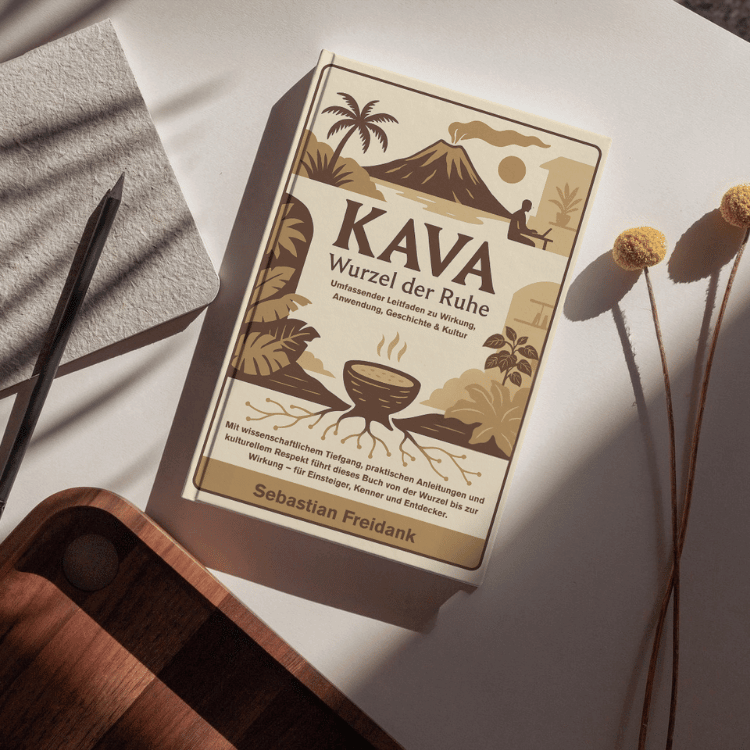
Kava – Root of Calm
The comprehensive guide to effects, history & culture.