
Traditional Kneading Method
The authentic Pacific way of preparing Kava – for maximum potency and a true experience.
Content
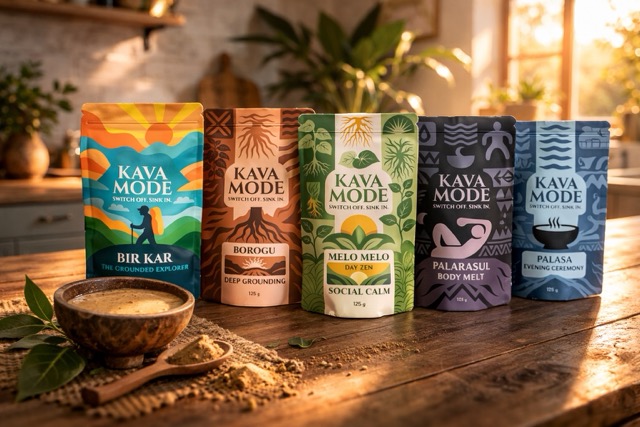
Premium Noble Kava
Discover certified quality and purity with our official partner.
Visit Kava-mode.comBrief & Concise
The traditional kneading method is the original Pacific way of preparing Kava, practiced for over 3,000 years. It provides the strongest extraction and the most authentic taste experience.
Required Materials
- ●Kava root powder (Medium Grind)
10-25g depending on experience and desired strength
- ●Filter bag (Nut milk bag)
75-100 micron mesh size, reusable
- ●Large bowl
At least 1 liter capacity
- ●Warm water
40–60 °C, lukewarm; boiling water is unnecessary
- ●Coconut milk or whole milk
1-2 tablespoons – fat improves extraction
- ●Kitchen scale
For precise dosing
- ●Coconut shell (Bilo)
For the authentic experience
- ●Chaser (fruit)
Pineapple, orange, or mango against the taste
Preparation
Before you begin, ensure that all materials are ready. The preparation should be done in one go, without interruptions.
Step-by-Step Instructions
Measure the desired amount of Kava powder.
- Beginner: 10-15g per serving
- Regular: 15-20g per serving
- Experienced: 15-25g per serving
- Medium grind is intended for this method
Prepare warm water in a large bowl.
- Water temperature: 40–60 °C (lukewarm)
- Water amount: 300-500ml per serving
- Optional: Add 1-2 tablespoons of coconut milk or whole milk
- Boiling water is unnecessary
Let the powder soak in the filter bag.
- Put the powder in the nut milk bag (75-100 micron)
- Close or twist the bag
- Submerge in warm water
- Let it rest for 5 minutes to allow the powder to moisten
The most important step: vigorous kneading under water.
- Knead and massage the bag vigorously under water
- Rhythmically press, squeeze, and wring
- The water will become increasingly milky-brown
- Knead for at least 10 minutes, better 15 minutes
Completely squeeze out the bag.
- Remove the bag from the water
- Squeeze firmly over the bowl
- Wring several times until little liquid comes out
- Optional: Repeat with fresh water for a second extraction
Enjoy your freshly prepared Kava!
- Pour into a coconut shell (Bilo) or cup
- Traditionally, Kava is drunk in one go ('Chug')
- Do not sip – this prolongs the bitter taste
- Have a 'chaser' (piece of fruit) ready
Expert Tips
Second Wash
After the first extraction, you can knead the powder again with fresh water. The 'Second Wash' is weaker but ideal for stretching or for beginners.
Fat Boost
Eat a small, fatty meal 30-60 minutes after the Kava. This can trigger a 'second wave' of effect as the fat releases remaining Kavalactones.
Reverse Tolerance
Some consumers report perceiving little kava at first and a clearer effect with later uses. This so-called reverse tolerance is an observation and hypothesis, not a reason to drink on consecutive days and not evidence that the body must 'get used to' kava.
Temperature Check
Test the water with your elbow – it should feel pleasantly warm, like bath water for a baby.
Avoiding Common Mistakes
| Mistake | Consequence | Solution |
|---|---|---|
| Using boiling water | Kavalactones are not automatically destroyed; very hot water is unnecessary and can change texture and taste. | Use 40–60 °C for consistent preparation |
| Kneading too briefly | Weak effect, wasted powder | Knead patiently for at least 10-15 minutes |
| Brewing Kava like tea | Little effect, as Kavalactones are not water-soluble | Mechanical extraction through kneading is essential |
| Drinking after eating | A large meal can alter onset or perceived intensity. | Use consistent conditions; no fixed fasting interval is established |
| Kneading too fine powder (Micronized) | Clogs the filter, poor texture | Use medium grind for traditional method |
Other Preparation Methods
Based on studies by

With contributions from
This wiki is a curated resource that synthesizes research from peer-reviewed studies and expert researchers. It is not written by the researchers listed above, but rather based on their published work.
Scientific Sources
The information on this page is based on the following scientific studies and publications:
Kava: The Pacific Elixir - The Definitive Guide to Its Ethnobotany, History, and Chemistry
Vincent Lebot, Mark Merlin, Lamont Lindstrom (1997) – Yale University Press
View studyKava – Wurzel der Ruhe
Sebastian Freidank (2025) – Self-published
Content
Premium Noble Kava
Discover certified quality and purity with our official partner.
Visit Kava-mode.com
Kava – Root of Calm
The comprehensive guide to effects, history & culture.